Introduction
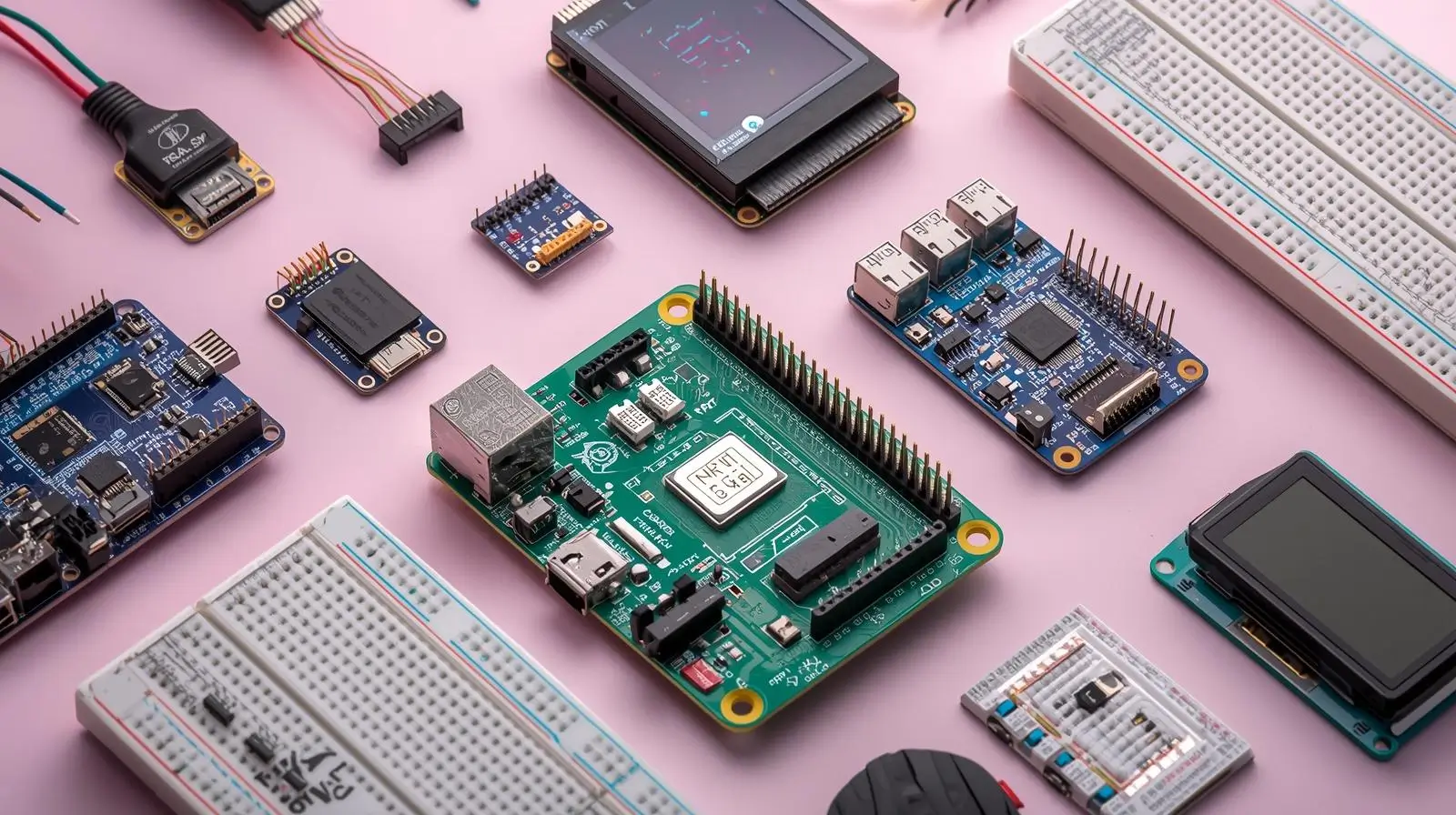
Raspberry Pi is one of the most powerful and affordable mini-computers for IoT development. Whether you're building a smart home system, GPS tracker, automation project, or learning electronics, having the right accessories makes your Raspberry Pi IoT setup smoother and more reliable.
In this SEO-friendly guide, we will explore the top 10 Raspberry Pi accessories every beginner and maker should have.
1. Reliable Power Supply (5V 3A)
A stable power supply is the most important accessory for any Raspberry Pi IoT project. Without proper power, your Pi may:
- Restart randomly
- Show “Under-voltage” warnings
- Corrupt the SD card
Best Practice: Use the official Raspberry Pi 5V 3A adapter for maximum stability.
2. High-Speed MicroSD Card (32GB or 64GB)
Your microSD card works as the Raspberry Pi’s storage. It holds:
- The operating system
- Your code
- Sensor data and logs
Choose a Class 10 or UHS-1 microSD card to avoid slow performance.
3. Protective Case or Enclosure
A good case not only protects your Raspberry Pi but also helps with heat management. Benefits include:
- Protection from dust and damage
- Easier mounting for IoT installations
- Better airflow
Choose a case that matches your Pi model (Pi 3, Pi 4, Pi Zero, etc.).
4. Cooling System (Heat Sinks + Fan)
IoT applications often run continuously. This makes the Pi heat up. Proper cooling ensures:
- Faster performance
- Longer lifespan
- No thermal throttling
Heat sinks + cooling fans are the ideal combo for Pi 4 and Pi 5 projects.
5. HDMI / Micro-HDMI Cable
If you ever need to set up your Raspberry Pi on a monitor, configure software, or debug errors, an HDMI cable is essential.
- Raspberry Pi 4 uses micro-HDMI
- Older models use standard HDMI
Keep one handy for troubleshooting.
6. USB Keyboard and Mouse
Even if you operate your Raspberry Pi remotely through SSH or VNC, a basic USB keyboard and mouse make the initial setup much easier. They are extremely useful when:
- WiFi is not configured
- The screen is blank
- The Pi is stuck in boot mode
7. Internet Connectivity Tools (WiFi, LAN, 4G Dongle)
IoT projects depend heavily on internet connectivity. You can choose:
- WiFi → built into Pi 3, Pi 4, Pi Zero W
- Ethernet Cable → stable and fast
- 4G USB Dongle → perfect for remote IoT devices
For industrial IoT or remote deployments, always choose LAN or 4G for stability.
8. GPIO Extension Board & Jumper Wires
To build smart IoT projects, you’ll connect sensors and modules through GPIO pins. A GPIO expansion board helps in:
- Avoiding wiring mistakes
- Organizing connections
- Making prototypes cleaner
Jumper wires (male-to-male, male-to-female) are essential in any IoT toolkit.
9. Essential Sensors (Temperature, Motion, GPS, etc.)
Sensors bring your IoT projects to life. Common Raspberry Pi IoT sensors include:
- DHT11/DHT22 → Temperature & humidity
- PIR Sensor → Motion detection
- GPS Module → Location tracking
- Ultrasonic Sensor → Distance measurement
- Gas sensors → Air quality monitoring
Choose sensors based on your project needs.
10. Breadboard & Basic Electronic Components
A breadboard helps you test circuits without soldering. It’s the best tool for beginners. Must-have components:
- LEDs
- Resistors
- Push buttons
- Transistors
- Relay modules
These tools make experimenting faster and safer.
Conclusion
With these 10 must-have Raspberry Pi accessories, you can build stronger, faster, and more reliable IoT projects. Whether you’re creating a DIY smart home system or an industrial monitoring solution, these tools form the perfect starter kit for your IoT journey.