Introduction
The advent of 5G and Wi-Fi 6 has revolutionized the landscape of Internet of Things (IoT) connectivity. Both technologies promise faster speeds, lower latency, and greater capacity, but how do they compare, and which is better suited for IoT applications? This blog delves into a comprehensive comparison of 5G and Wi-Fi 6, exploring their impact on IoT connectivity.
Understanding 5G and Wi-Fi 6
What is 5G?
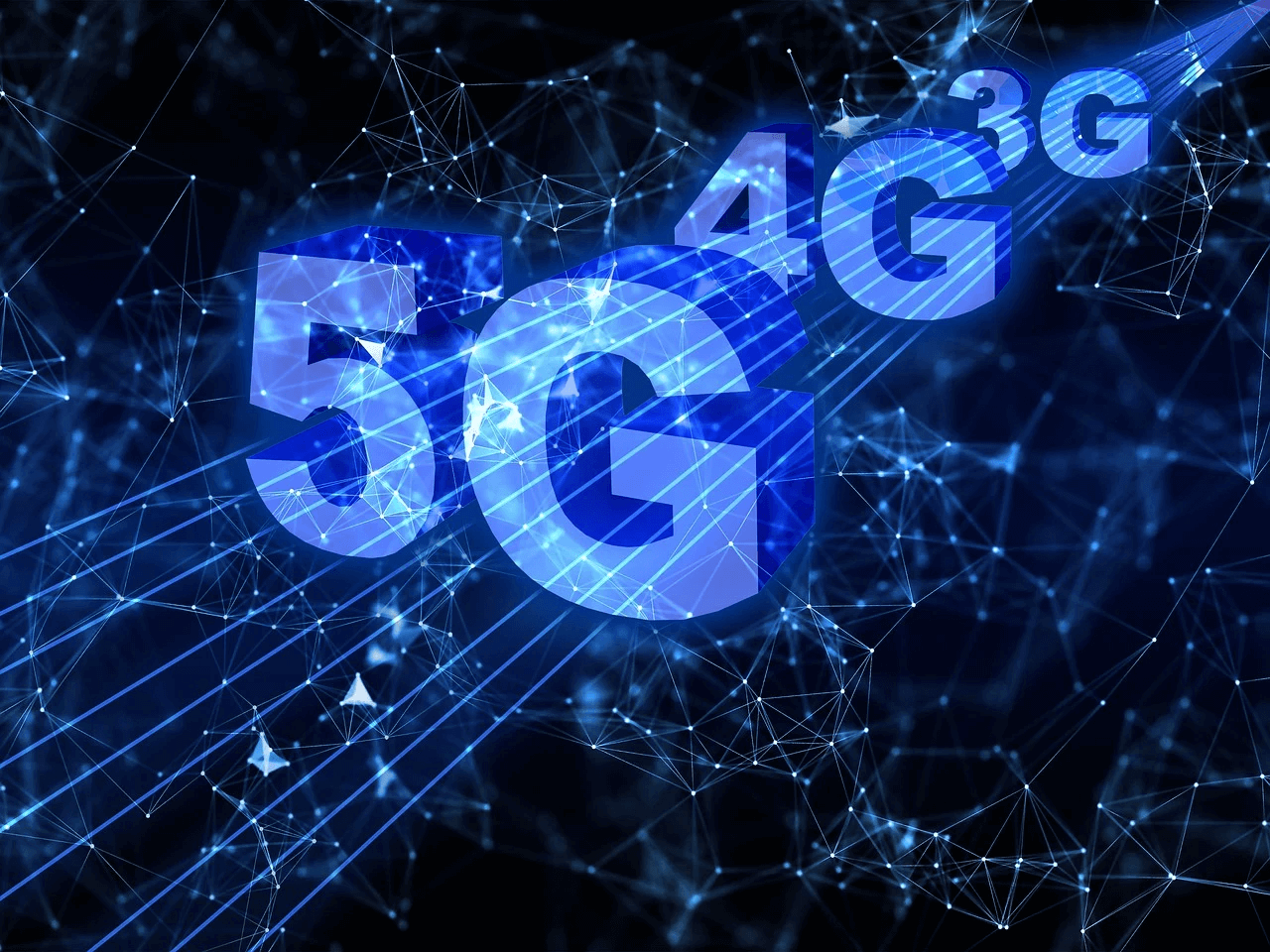
5G is the fifth generation of mobile network technology, designed to provide enhanced speed and efficiency over its predecessors. It offers ultra-low latency, high bandwidth, and supports a large number of devices simultaneously. According to GSMA Intelligence, by 2025, 5G networks are expected to cover one-third of the world's population.
What is Wi-Fi 6?
Wi-Fi 6, also known as 802.11ax, is the latest standard in Wi-Fi technology. It aims to improve network efficiency and speed, particularly in crowded environments. With features like Orthogonal Frequency Division Multiple Access (OFDMA) and Target Wake Time (TWT), Wi-Fi 6 is designed for optimal performance in dense device environments.
Comparing 5G and Wi-Fi 6 for IoT Connectivity
Speed and Bandwidth
5G offers peak download speeds up to 10 Gbps, while Wi-Fi 6 can reach speeds up to 9.6 Gbps. However, real-world speeds depend on various factors, including network congestion and device capability.
Latency
5G boasts latency as low as 1 ms, making it ideal for real-time applications such as autonomous vehicles and remote surgery. Wi-Fi 6 offers slightly higher latency but remains suitable for most IoT applications.
Coverage and Range
5G networks have extensive coverage capabilities, making them suitable for large-scale deployments. In contrast, Wi-Fi 6 is best suited for localized areas, offering robust performance in homes and offices.
| Feature | 5G | Wi-Fi 6 |
|---|---|---|
| Speed | Up to 10 Gbps | Up to 9.6 Gbps |
| Latency | As low as 1 ms | Around 10 ms |
| Coverage | Wide area | Local area |
Use Cases and Real-World Applications
5G in IoT
5G is particularly advantageous for IoT applications requiring broad coverage and low latency. Examples include smart cities with connected traffic systems and industrial IoT with real-time monitoring.
Wi-Fi 6 in IoT
Wi-Fi 6 excels in environments with high device density, such as smart homes where multiple devices require simultaneous connections without interference.
Industry Trends and Future Outlook
The adoption of both 5G and Wi-Fi 6 is accelerating. According to a report by Deloitte Insights, by 2023, over one billion devices are expected to be connected via these technologies. As more industries leverage IoT solutions, both technologies will play crucial roles in shaping the future of connectivity.
Common Mistakes and How to Avoid Them
- Choosing the wrong technology for your application: Assess your specific needs before selecting between 5G or Wi-Fi 6.
- Underestimating security requirements: Ensure robust security measures are in place for all connected devices.
Conclusion and Next Steps
Both 5G and Wi-Fi 6 offer unique advantages for IoT connectivity. While 5G is optimal for wide-area coverage and low-latency applications, Wi-Fi 6 excels in dense environments with high device usage. Businesses should evaluate their specific needs to choose the appropriate technology. As a next step, consider conducting a thorough assessment of your IoT infrastructure to determine which technology aligns best with your strategic objectives.