Introduction
The Internet of Things (IoT) is transforming how we interact with the world. From smart homes to industrial automation, IoT applications have become integral to modern technology solutions. This guide provides a comprehensive overview of building IoT applications, covering everything from foundational concepts to advanced insights.
What is IoT?
IoT, or the Internet of Things, refers to the interconnected network of devices and systems that communicate with each other through the internet. These devices range from everyday household items like refrigerators to complex industrial machines.
Components of IoT
- Sensors: Collect data from the environment.
- Connectivity: Networks that transmit data.
- Data Processing: Analyze and process collected data.
- User Interface: Allows users to interact with IoT systems.
Why Build IoT Applications?
IoT applications can optimize processes, reduce costs, and enhance user experiences. In industries like healthcare, IoT enables remote patient monitoring, while in agriculture, it facilitates precision farming. The potential for innovation is vast.
Benefits of IoT
- Efficiency: Automates routine tasks.
- Insights: Provides valuable data analytics.
- Convenience: Offers improved user experiences.
How to Build an IoT Application
Creating an IoT application involves several steps, each crucial for ensuring the application meets its intended purpose and operates efficiently.
Step 1: Define Objectives
Start by clearly outlining what you want your IoT application to achieve. This could be improving operational efficiency, enhancing customer engagement, or generating new revenue streams.
Step 2: Choose the Right Hardware
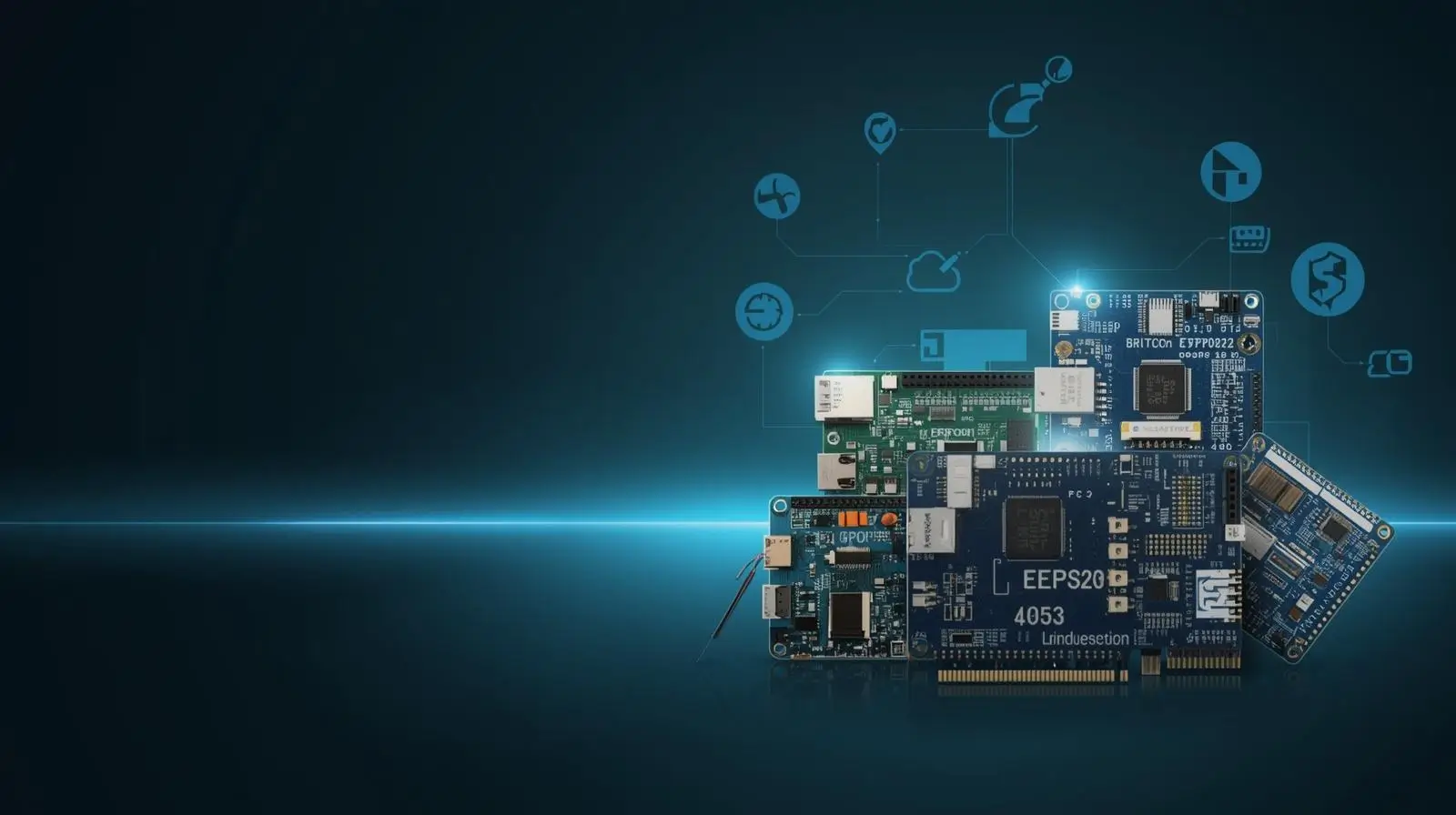
Select sensors and devices that fit your application's requirements. Consider factors like power consumption, range, and connectivity options.
Step 3: Select a Platform
Choose an IoT platform that provides the necessary tools for device management, data processing, and analytics. Popular platforms include AWS IoT, Google Cloud IoT, and Microsoft Azure IoT.
Step 4: Develop and Test
Create a prototype of your application and conduct thorough testing to identify any potential issues. Iterate based on feedback and test results.
Step 5: Deploy and Monitor
Once your application is ready, deploy it on a larger scale. Use monitoring tools to track performance and make adjustments as necessary.
Common Mistakes and How to Avoid Them
- Poor Security: Implement robust security measures to protect data and devices from breaches.
- Lack of Scalability: Design systems that can grow with your needs.
- Ineffective Data Management: Ensure proper data collection, storage, and analysis practices are in place.
Real-World Examples and Case Studies
An example of a successful IoT application is the use of smart grids in energy management. These systems optimize electricity distribution based on real-time data, significantly reducing waste and cost.
The Future of IoT
The future of IoT is promising, with advancements in AI, machine learning, and 5G technologies paving the way for more sophisticated applications. The market is expected to reach $1.5 trillion by 2027, according to industry reports.
Conclusion and Next Steps
Building an IoT application requires careful planning, execution, and monitoring. By understanding the components and processes involved, you can create innovative solutions that address real-world challenges. Start by exploring platforms and tools that align with your objectives and take advantage of resources available online for further learning.