Introduction to AI and IoT
The convergence of Artificial Intelligence (AI) and the Internet of Things (IoT) is transforming industries by creating smarter and more efficient systems. AI enhances IoT with the ability to learn from data, while IoT provides the vast amounts of data AI needs to learn.
What are AI and IoT?
Understanding AI
Artificial Intelligence refers to the simulation of human intelligence in machines. It involves complex algorithms that allow computers to perform tasks that typically require human cognition, such as learning, problem-solving, and decision-making.
Understanding IoT
The Internet of Things encompasses a network of physical devices connected through the internet, capable of collecting and exchanging data. These devices range from household appliances to industrial machinery.
Why Combine AI and IoT?
The combination of AI and IoT offers significant advantages. AI processes and analyzes data collected by IoT devices, enabling automated decision-making and predictive analytics. This synergy enhances operational efficiency, reduces costs, and improves user experiences.
How AI Enhances IoT
- Data Analysis: AI algorithms analyze large volumes of data generated by IoT devices to identify patterns and insights.
- Predictive Maintenance: AI models predict equipment failures before they occur, reducing downtime and maintenance costs.
- Automation: AI enables automated control of devices, optimizing performance without human intervention.
Real-World Applications
Smart Homes
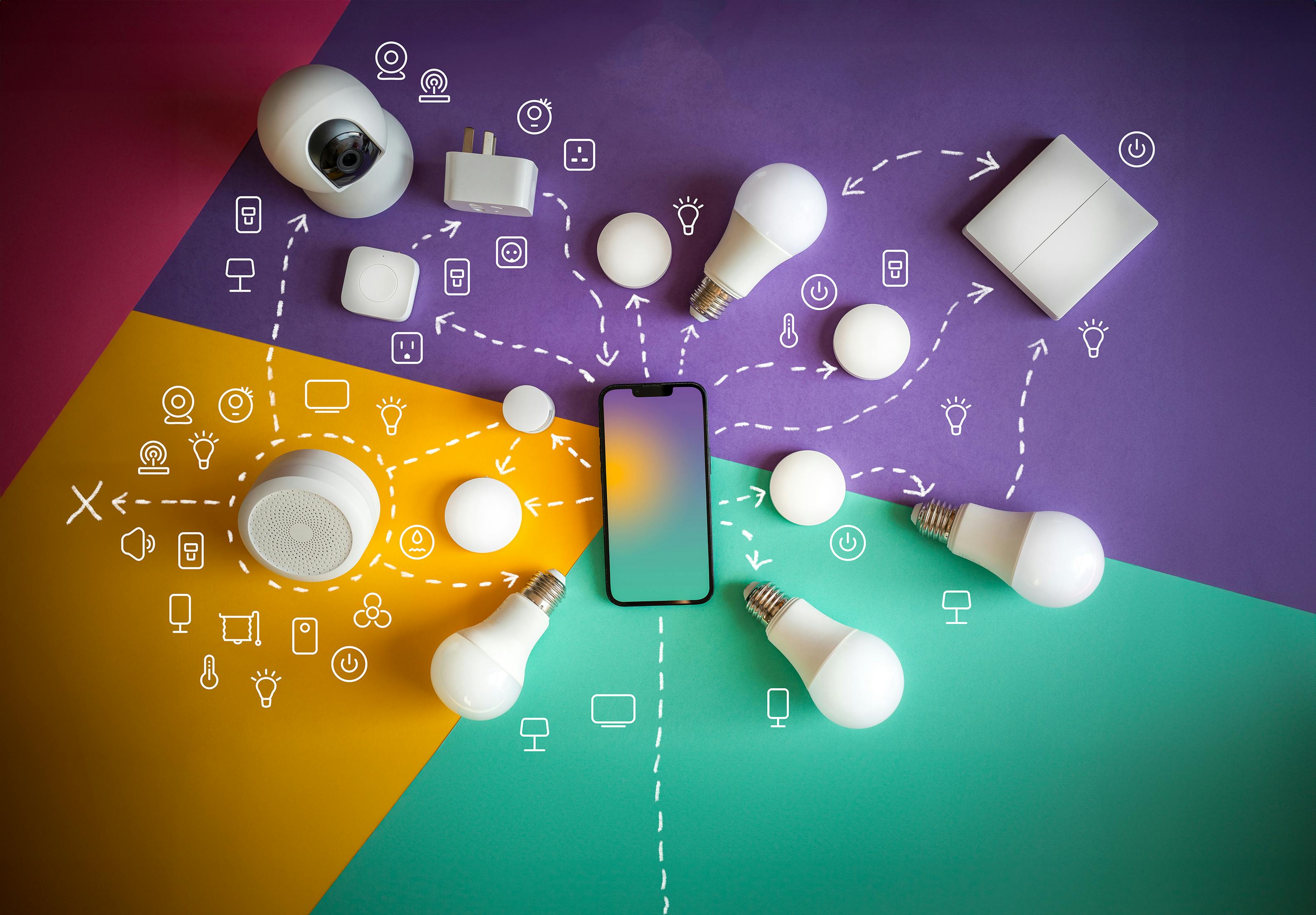
AI-powered IoT devices in smart homes can learn user preferences and adjust settings automatically, enhancing convenience and energy efficiency. For example, smart thermostats learn optimal heating and cooling schedules to reduce energy usage.
Healthcare
In healthcare, AI and IoT improve patient outcomes through remote monitoring and predictive analytics. Wearable devices track vital signs in real-time, alerting healthcare providers to potential health issues before they escalate.
Industry Trends and Future Outlook
The integration of AI with IoT is expected to grow significantly. According to Statista, the global market for AI in IoT is projected to reach $26.2 billion by 2025. Emerging trends include edge computing for faster data processing and enhanced privacy measures to protect sensitive information.
Common Mistakes and How to Avoid Them
- Lack of Security: Ensure robust security protocols are in place to protect data integrity.
- Poor Data Quality: Implement data validation processes to ensure high-quality data for AI analysis.
Expert Tips
- Focus on interoperability between devices to maximize the potential of AI and IoT integration.
- Invest in scalable infrastructure to support future growth and technological advancements.
Conclusion
The combination of AI and IoT is revolutionizing how we interact with technology, driving innovation across multiple sectors. By leveraging AI's analytical capabilities with IoT's connectivity, organizations can create smarter, more efficient systems that deliver tangible benefits.