Introduction: The Rise of IoT in Healthcare
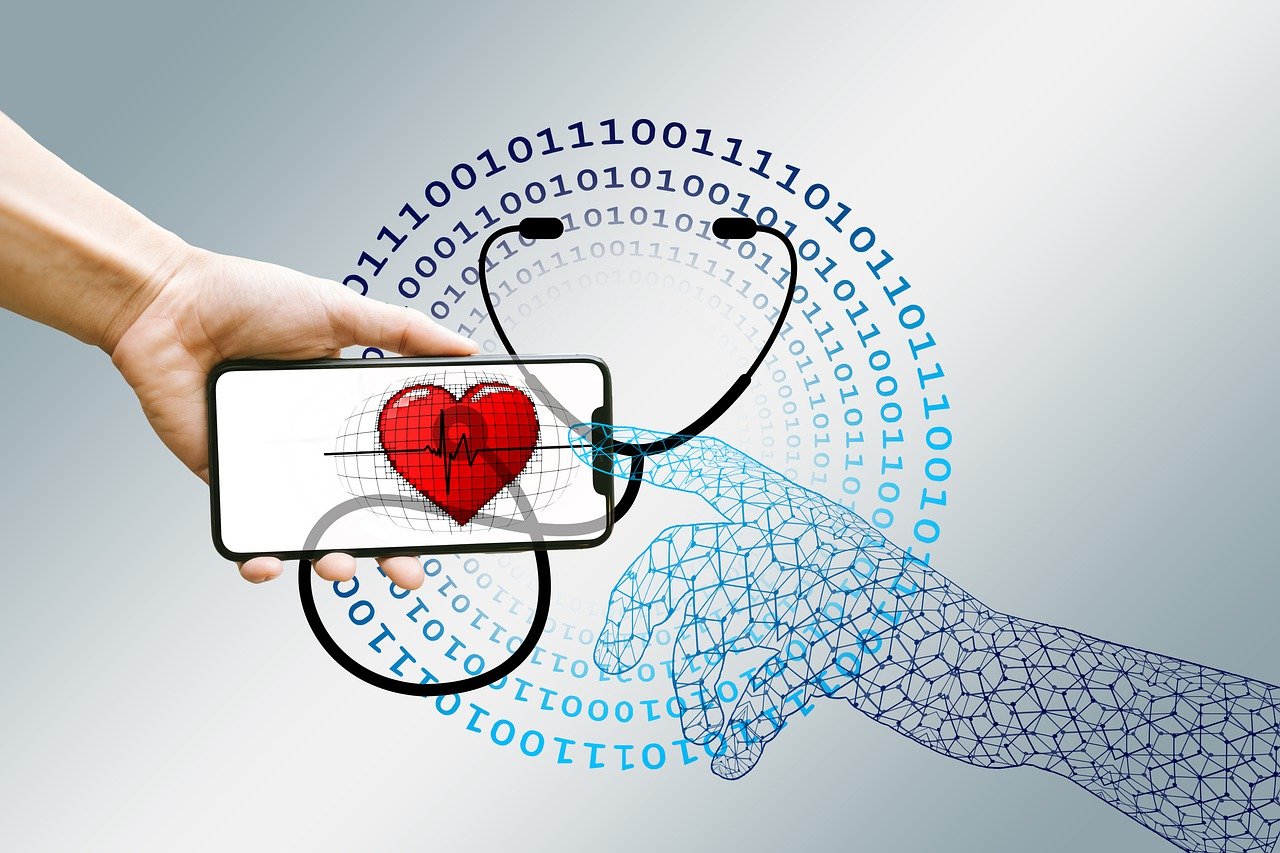
The Internet of Things (IoT) is revolutionizing various industries, with healthcare being one of the most impacted sectors. By 2025, IoT is projected to transform patient care significantly, offering enhanced monitoring, improved diagnostics, and personalized treatment plans. This blog post delves into how IoT is shaping the future of healthcare, providing insights into its applications, benefits, challenges, and future trends.
What is IoT in Healthcare?
IoT in healthcare refers to a network of interconnected devices that communicate with each other to collect, analyze, and transmit patient data. These devices range from wearable sensors that monitor vital signs to advanced medical equipment that aids in diagnostics and treatment.
Key Components of IoT in Healthcare
- Wearable Devices: Smartwatches and fitness trackers that monitor heart rate, activity levels, and sleep patterns.
- Remote Patient Monitoring: Devices that track chronic conditions like diabetes or heart disease from home.
- Smart Medical Equipment: IoT-enabled MRI machines or insulin pumps for real-time data transmission.
Why is IoT Important in Healthcare?
The integration of IoT in healthcare offers several critical benefits:
- Improved Patient Monitoring: Continuous data collection allows for real-time monitoring and early detection of potential health issues.
- Enhanced Data Analytics: Large volumes of data can be analyzed for insights into patient health trends and treatment outcomes.
- Cost Efficiency: Remote monitoring reduces the need for frequent hospital visits, cutting down on healthcare costs.
How IoT is Transforming Patient Care
Remote Monitoring and Telehealth
IoT devices enable remote monitoring, allowing healthcare providers to keep track of patients' conditions outside clinical settings. This capability is crucial for managing chronic illnesses and reducing hospital readmissions.
Personalized Treatment Plans
With IoT, personalized medicine becomes a reality. Devices collect data on individual responses to treatments, enabling tailored healthcare solutions.
Challenges and Considerations
Despite its benefits, IoT in healthcare faces several challenges:
- Data Privacy: Ensuring patient data is protected against breaches and unauthorized access.
- Interoperability: Integrating various devices and systems for seamless data exchange.
- Cost of Implementation: High initial costs for IoT infrastructure can be a barrier for some healthcare facilities.
Future Trends in IoT Healthcare
The future of IoT in healthcare looks promising with trends such as AI integration for predictive analytics, increased use of blockchain for secure data transactions, and more sophisticated wearable technology.
Case Studies: Real-world Applications
A study by the Mayo Clinic demonstrated how remote monitoring systems reduced hospital readmissions by 40% among heart failure patients. Similarly, Mount Sinai Hospital uses wearable sensors to monitor surgical recovery, significantly improving patient outcomes.
Conclusion: The Path Forward
The transformation brought by IoT in healthcare promises a future where patient care is more efficient, personalized, and accessible. As technology evolves, the focus will shift towards overcoming current challenges and harnessing the full potential of IoT to improve health outcomes globally.