Introduction
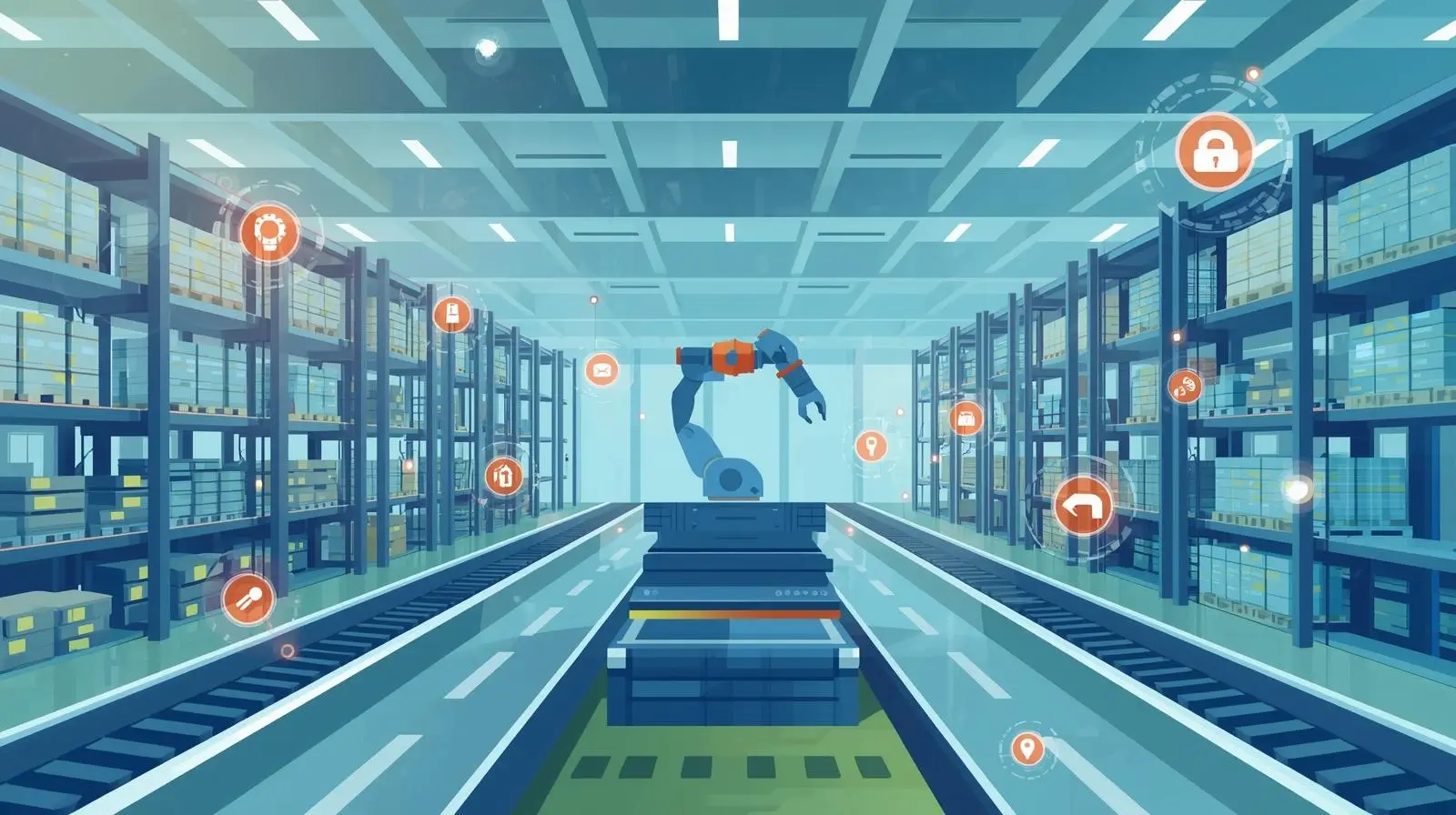
In the rapidly evolving world of logistics and supply chain management, smart warehousing using IoT (Internet of Things) is revolutionizing how businesses operate. By integrating IoT systems and sensors, warehouses can optimize their processes, reduce costs, and enhance efficiency. This comprehensive guide explores what smart warehousing is, why it's essential, how it works, and the future trends shaping this innovative field.
What is Smart Warehousing?
Smart warehousing refers to the use of interconnected technologies, primarily IoT devices, to automate and optimize warehouse operations. These technologies facilitate real-time tracking, inventory management, and data-driven decision-making.
The Role of IoT in Warehousing
IoT devices in warehousing include sensors, RFID tags, and GPS systems that communicate with warehouse management systems (WMS) to provide accurate data on inventory levels, equipment status, and environmental conditions.
Key Benefits of Smart Warehousing
- Enhanced Efficiency: Automation reduces manual errors and accelerates order fulfillment.
- Cost Reduction: Optimized resource allocation minimizes waste and lowers operational costs.
- Improved Inventory Management: Real-time tracking prevents stockouts and overstocking.
How Smart Warehousing Works
The core of smart warehousing lies in the seamless integration of IoT devices with advanced software systems. Here's a step-by-step guide on how these components work together:
- Data Collection: IoT sensors collect data on inventory, equipment, and environmental conditions.
- Data Transmission: Collected data is transmitted to a central database via cloud computing.
- Data Analysis: Advanced analytics tools process the data to provide actionable insights.
- Decision Making: Warehouse managers use these insights to make informed decisions regarding operations.
Real-World Examples and Case Studies
Companies like Amazon and DHL have adopted smart warehousing solutions to streamline operations. For example, Amazon uses robots equipped with sensors to manage inventory efficiently, significantly reducing order processing time.
Common Mistakes in Implementing Smart Warehousing
- Lack of Integration: Failing to integrate IoT devices with existing systems can lead to data silos.
- Poor Data Management: Inadequate data handling can result in inaccurate insights.
Future Trends in Smart Warehousing
The future of smart warehousing will likely involve advancements in AI and machine learning, allowing for even more sophisticated data analysis and autonomous decision-making processes.
FAQs
- What industries benefit most from smart warehousing? Retail, e-commerce, and manufacturing are among the top beneficiaries due to their need for efficient inventory management.
- How expensive is it to implement smart warehousing? While initial costs can be high, the long-term savings and efficiency gains often justify the investment.
Conclusion
Smart warehousing using IoT offers immense potential for businesses looking to enhance efficiency, reduce costs, and improve customer satisfaction. By understanding the technologies involved and implementing best practices, companies can position themselves for success in the digital age.