Introduction to Voice-Activated IoT Devices
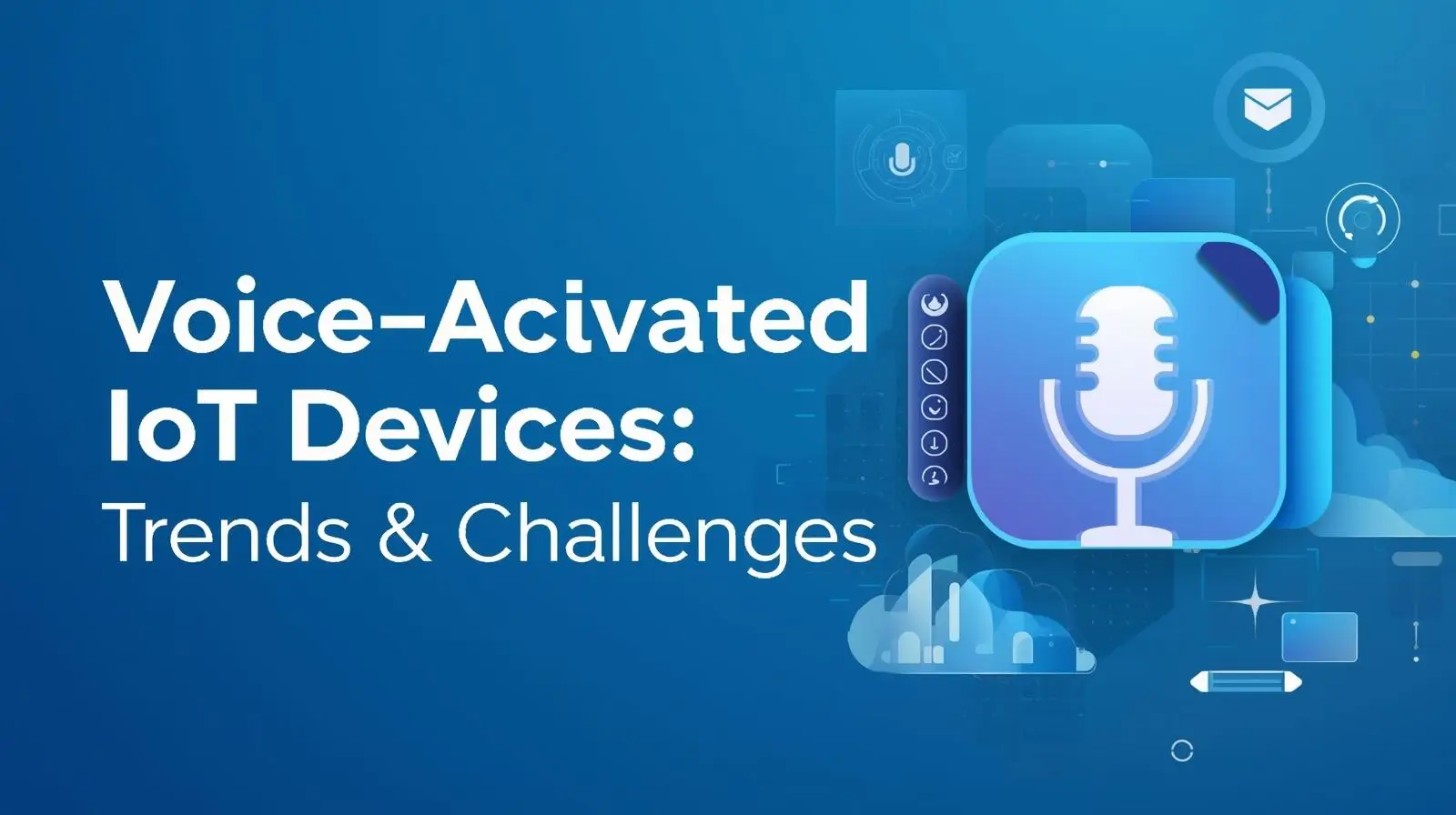
The integration of voice-activated technology with the Internet of Things (IoT) has revolutionized the way we interact with devices. From smart homes to healthcare, voice-activated IoT devices offer a seamless and intuitive user experience. This blog post delves into the latest trends, innovations, and challenges in this rapidly evolving field.
What Are Voice-Activated IoT Devices?
Voice-activated IoT devices are gadgets equipped with voice recognition capabilities that can execute commands or perform tasks based on vocal instructions. These devices are often connected to a network, enabling them to communicate with other smart devices or systems.
Key Trends in Voice-Activated IoT
1. Increased Adoption in Smart Homes
Voice-activated devices are becoming a staple in smart homes, allowing users to control lighting, thermostats, and security systems hands-free. According to a 2023 report by Statista, the global smart home market is expected to reach $141 billion by 2025, with voice control being a significant driver.
2. Healthcare Innovations
In healthcare, voice-activated IoT devices assist in patient monitoring and telemedicine. For instance, Amazon's Alexa is being used in hospitals to help patients manage their schedules and medication.
3. Enhanced Security Features
As voice-activated devices handle sensitive data, security has become paramount. Innovations like voice biometrics are being employed to authenticate users, thereby enhancing privacy and security.
Challenges Facing Voice-Activated IoT Devices
1. Privacy Concerns
The always-listening nature of these devices raises privacy issues. Consumers are increasingly worried about how their data is collected and used.
2. Language and Accent Recognition
Voice recognition technology must cater to various languages and accents, which remains a technical challenge.
3. Integration with Legacy Systems
Ensuring compatibility with older systems is often difficult but essential for widespread adoption.
Real-World Use Cases
Several companies have successfully implemented voice-activated IoT solutions:
- Google Home: Integrates with multiple smart home devices for seamless control.
- Apple's Siri: Used in automotive systems for voice navigation and calls.
- Amazon Echo: Facilitates online shopping and information retrieval via voice commands.
Pro Tips for Implementing Voice-Activated IoT
- Ensure robust security protocols are in place to protect user data.
- Focus on user-friendly interfaces to enhance user experience.
- Regularly update the software to include new languages and features.
Conclusion and Next Steps
Voice-activated IoT devices are set to become more prevalent as technology advances. Companies should focus on addressing security concerns and improving user experience to capitalize on this trend. Future innovations may include more personalized interactions and improved accuracy in understanding diverse accents.