Introduction
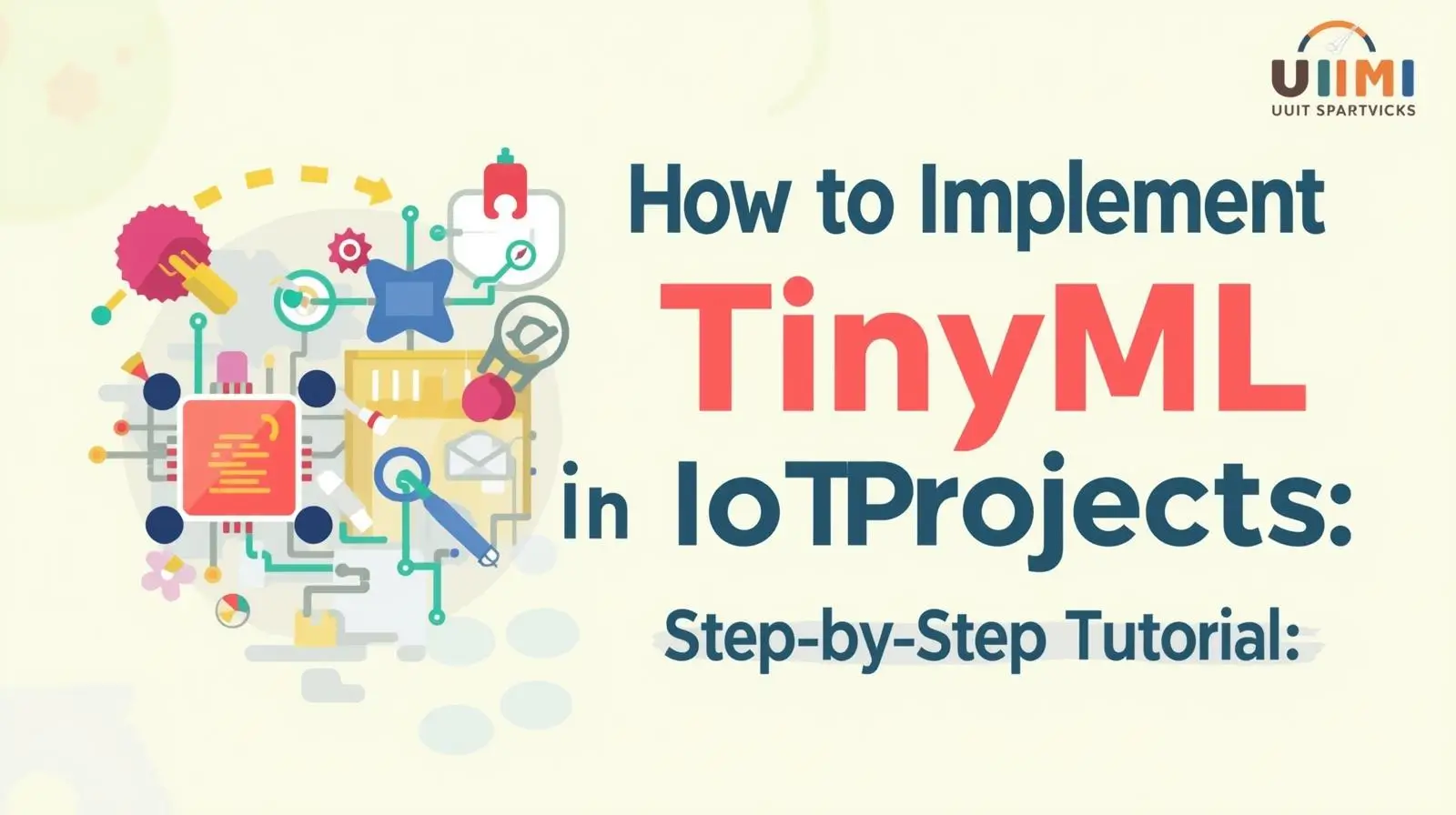
In recent years, the integration of machine learning with Internet of Things (IoT) devices has revolutionized how we perceive and interact with technology. TinyML on Edge Devices: AI Without the Cloud explores this fascinating intersection, highlighting how TinyML enables AI capabilities directly on edge devices without relying on cloud computing.
What is TinyML?
TinyML refers to machine learning algorithms designed to run on small, low-power hardware such as microcontrollers. This enables real-time data processing and decision-making, which is crucial for IoT applications.
Benefits of Using TinyML in IoT
- Low Latency: Processing data locally reduces response time.
- Energy Efficiency: Designed for devices with limited power resources.
- Privacy: Data processing on-device enhances user privacy.
Getting Started: Tools and Platforms
Before diving into implementation, it's essential to choose the right tools and platforms. Here are some popular options:
- TensorFlow Lite for Microcontrollers: A lightweight version of TensorFlow designed for microcontrollers.
- Edge Impulse: A development platform that simplifies the process of building and deploying TinyML models.
- Arduino IDE: Widely used for programming microcontrollers in IoT projects.
Step-by-Step Implementation Guide
1. Define the Problem
Begin by identifying the specific problem or task your IoT project aims to solve. For example, you might want to implement a smart anti-theft system using IoT for bikes and cars.
2. Choose Hardware
Select appropriate hardware that supports TinyML, such as Arduino Nano 33 BLE Sense or Raspberry Pi. Consider reading about must-have accessories for Raspberry Pi IoT projects.
3. Data Collection and Preprocessing
Collect relevant data for training your model. Use sensors to gather data and preprocess it to ensure quality and accuracy.
4. Model Training
Use platforms like TensorFlow Lite to train your model. Make sure the model is optimized for size and speed suitable for edge devices.
5. Deploying the Model
Deploy your trained model onto the microcontroller. Ensure that it functions correctly by testing it under real-world conditions.
6. Iteration and Optimization
Iterate on your design, optimizing for performance and efficiency. Reference TinyML on Edge Devices: AI Without the Cloud for advanced optimization techniques.
Practical Applications of TinyML in IoT
TinyML opens up numerous possibilities in various sectors:
- Agriculture: Implementing an IoT-based smart plant monitoring system.
- Healthcare: Enhancing patient care by integrating TinyML with healthcare IoT systems.
- Smart Homes: Automating tasks using smart devices connected via IoT gateways.
Conclusion
Implementing TinyML in IoT projects not only enhances device functionality but also brings AI-driven insights to edge computing. For further exploration of how TinyML is transforming edge computing, visit TinyML on Edge Devices: AI Without the Cloud. As technology continues to evolve, these skills will be invaluable in creating smarter, more efficient systems.