Introduction
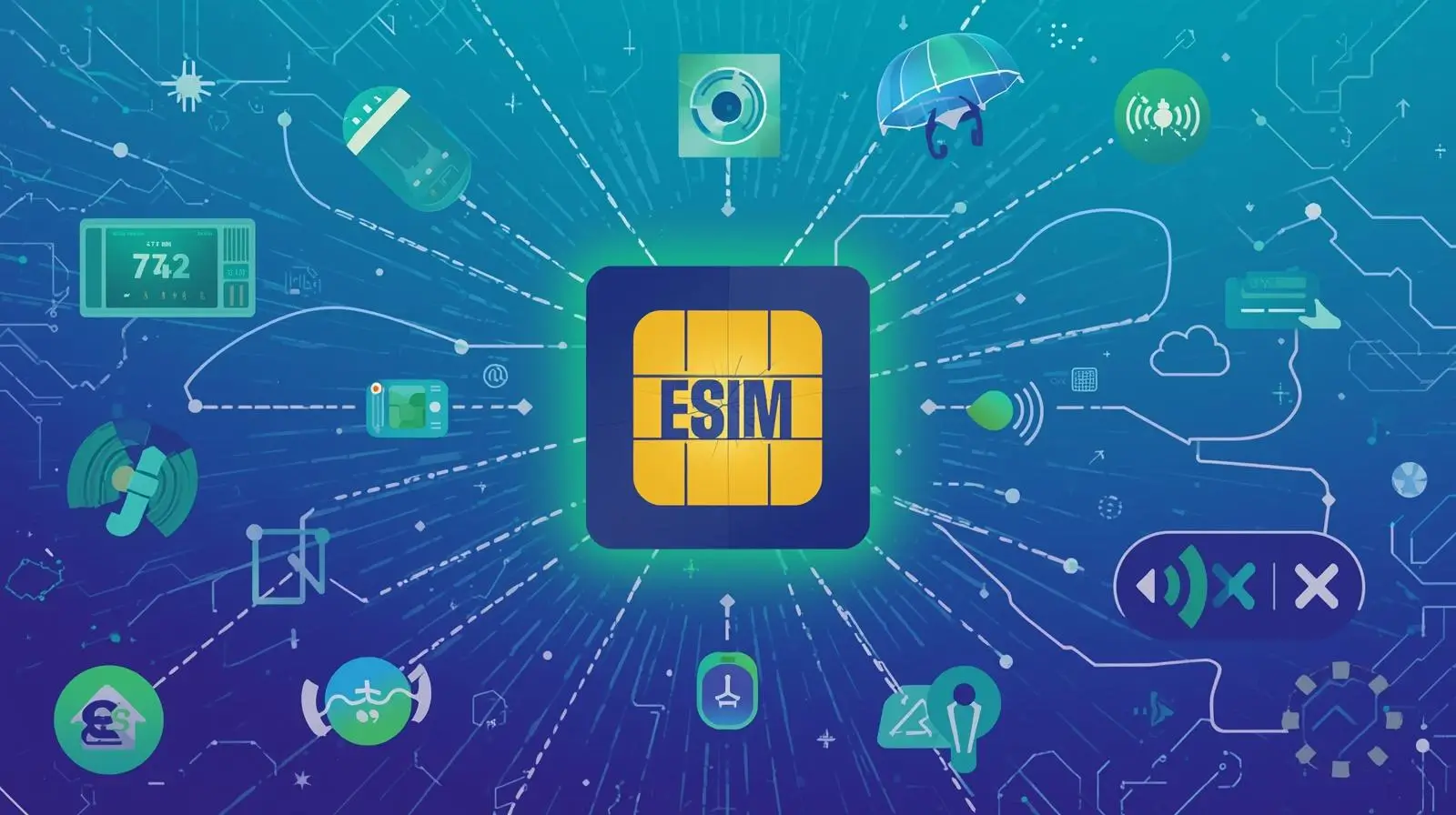
In the rapidly evolving world of the Internet of Things (IoT), staying ahead of technological advancements is crucial. One such advancement is the transition from traditional SIM technology to embedded SIM (eSIM) technology, which offers numerous advantages for IoT applications. As highlighted in our comprehensive exploration, eSIM is set to revolutionize IoT connectivity, offering greater flexibility and efficiency.
Understanding eSIM Technology
eSIM, or embedded SIM, is a small chip soldered directly onto a device's motherboard. Unlike traditional SIM cards, it doesn't require physical swapping and can be remotely provisioned. This makes it particularly beneficial for IoT devices, where space and accessibility are often limited.
Benefits of eSIM for IoT
- Remote Provisioning: Allows updates and changes without physical access to devices.
- Space Efficiency: Reduces the need for SIM card slots, making devices more compact.
- Global Connectivity: Facilitates seamless connectivity across different regions.
Preparation for Migration
Before migrating your IoT devices to eSIM, there are several preparatory steps you need to undertake:
Assessing Device Compatibility
First, determine if your existing IoT devices support eSIM technology. This may involve consulting device specifications or contacting manufacturers.
Choosing the Right Service Provider
Select a service provider that supports eSIM technology. Consider factors such as coverage, pricing, and customer support.
Step-by-Step Migration Process
- Backup Existing Data: Ensure all critical data is backed up before proceeding with the migration.
- Update Device Firmware: Install any necessary firmware updates that enable eSIM functionality.
- Activate eSIM Profile: Use your service provider's platform to activate the eSIM profile on your device.
- Test Connectivity: Once activated, test the device to ensure it connects properly to the network.
Challenges and Solutions
Migrating to eSIM can present certain challenges. Here are common issues and their solutions:
Compatibility Issues
If a device isn't compatible with eSIM, consider hardware upgrades or alternative solutions like using an IoT gateway. For more on gateways, check out our detailed comparison of IoT gateways.
Security Concerns
With increased connectivity comes heightened security risks. Implementing robust security measures is crucial. Learn more about securing IoT with blockchain in our dedicated article.
Conclusion
Migrating IoT devices to eSIM technology is a forward-thinking move that enhances flexibility and global connectivity. While challenges exist, they can be navigated with careful planning and consideration. For a broader understanding of how eSIM is transforming IoT, refer to our in-depth analysis. Additionally, explore the implementation of TinyML in IoT projects for further advancements in this field.