Introduction
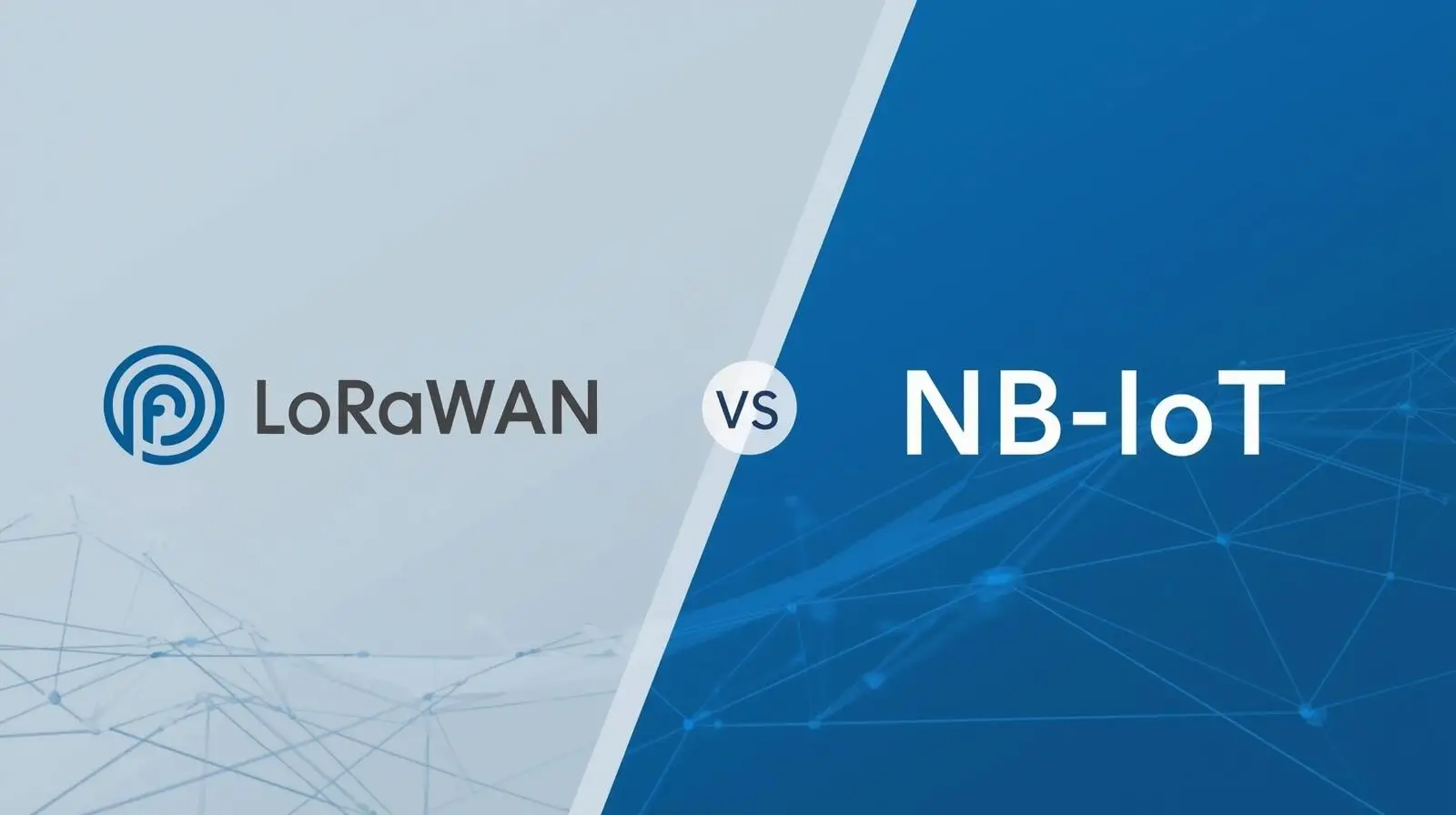
With the rapid growth of the Internet of Things (IoT), choosing the right connectivity solution is crucial for the success of any IoT project. Two prominent technologies, LoRaWAN and NB-IoT, offer unique benefits and challenges. This comprehensive guide will explore every aspect of these technologies, providing insights to help you determine which is best for your specific needs.
What Are LoRaWAN and NB-IoT?
Understanding LoRaWAN
LoRaWAN (Long Range Wide Area Network) is a low-power, wide-area network protocol designed to wirelessly connect battery-operated devices to the internet in regional, national, or global networks. It is based on the LoRa modulation technique, which enables long-range communication at a low data rate.
Understanding NB-IoT
Narrowband IoT (NB-IoT) is a low-power wide-area (LPWA) technology developed to enable efficient communication and connectivity between devices using existing cellular networks. It operates on licensed spectrum, offering robust performance in terms of coverage and reliability.
Key Features Comparison
| Feature | LoRaWAN | NB-IoT |
|---|---|---|
| Range | Up to 15 km in rural areas | Up to 35 km in rural areas |
| Data Rate | 0.3 kbps to 50 kbps | Up to 250 kbps |
| Power Consumption | Very low | Low |
| Spectrum | Unlicensed | Licensed |
| Network Infrastructure | Requires a gateway | Uses existing cellular infrastructure |
When to Use LoRaWAN
- When deploying in areas with minimal infrastructure requirements.
- For applications needing long battery life and lower data rates, such as smart agriculture and environmental monitoring.
- In scenarios where cost-effectiveness is a priority due to the unlicensed spectrum usage.
When to Use NB-IoT
- For applications requiring reliable connectivity and broader coverage, such as smart city projects and utility metering.
- When existing cellular infrastructure can be leveraged for deployment.
- If regulatory compliance and licensed spectrum usage are essential for the project.
Real-World Examples and Case Studies
An example of LoRaWAN's application is its use in agricultural monitoring systems, where sensors deployed over vast fields collect data on soil moisture, weather conditions, and crop health. A case study from New Zealand showed that farmers using LoRaWAN networks reduced water usage by 30%.
NB-IoT has been effectively implemented in smart city initiatives. For instance, in Spain, NB-IoT is used in waste management systems to optimize garbage collection routes, reducing operational costs by 20%.
Industry Trends and Future Outlook
The demand for IoT solutions continues to grow, with both LoRaWAN and NB-IoT expected to play significant roles. According to a report by MarketsandMarkets, the LPWA market is projected to reach USD 109 billion by 2025, with a significant contribution from these technologies.
Common Mistakes and How to Avoid Them
- Overlooking power consumption requirements: Always consider the power needs of your devices when choosing between LoRaWAN and NB-IoT.
- Ignoring coverage needs: Assess the geographical coverage required for your project to ensure you choose the right technology.
Conclusion and Next Steps
Selecting between LoRaWAN and NB-IoT depends on specific project requirements such as range, data rate, infrastructure availability, and cost considerations. By evaluating these factors carefully, you can make an informed decision that aligns with your project's goals. To explore further, consider consulting with IoT experts or engaging with technology providers who specialize in these networks.